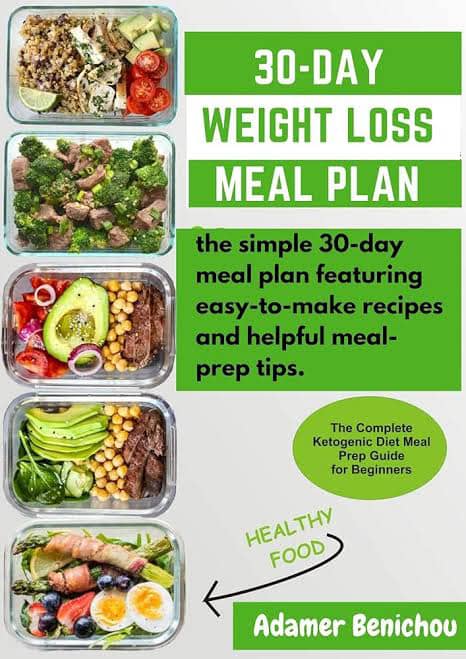
Clean eating isn’t about restrictive dieting or emptying your wallet at specialty stores. It is a practical, sustainable approach built on whole, minimally processed foods. This comprehensive guide provides the simplest grocery list to set you up for success, cutting through the confusion and making healthy eating straightforward.
What is Clean Eating?
Clean eating focuses on consuming foods in their most natural state. Think fresh vegetables, fruits, whole grains, lean proteins, and healthy fats, while avoiding highly processed items with artificial ingredients, added sugars, and unhealthy fats. It’s a flexible lifestyle, not a rigid diet.
The goal is choosing nutrient-dense foods that nourish your body and provide sustained energy.
The Essential Clean Eating Grocery List
This list is designed to be comprehensive yet practical, focusing on versatile staples that make meal creation easy. Use it as a flexible guide.
Fruits and Vegetables
The foundation of clean eating, providing essential vitamins, minerals, and fiber. Prioritize seasonal produce and consider frozen options without added sugar for budget-friendly nutrition.
· Leafy Greens: Spinach, kale, arugula.
· Cruciferous Veggies: Broccoli, cauliflower, Brussels sprouts.
· Colorful Veggies: Bell peppers, carrots, tomatoes, sweet potatoes.
· Alliums: Onions, garlic.
· Fruits: Berries (fresh or frozen), apples, bananas, avocados (a healthy fat), lemons.
Whole Grains
Complex carbohydrates for lasting energy and fiber.
· Rolled or steel-cut oats
· Quinoa
· Brown rice
· Whole-wheat pasta or bread
Proteins
Essential for satiety and muscle repair. Choose both animal and plant-based options.
· Poultry: Chicken or turkey breast (skinless).
· Fish: Salmon (especially wild-caught for omega-3s).
· Legumes: Lentils, chickpeas, black beans.
· Soy: Tofu or edamame.
· Other: Eggs, plain Greek yogurt.
Pantry and Fats
Stock your kitchen with these flavor and health boosters.
· Oils: Extra virgin olive oil, avocado oil, or coconut oil.
· Seeds & Nuts: Chia seeds, flaxseed, almonds, walnuts.
· Flavor: Herbs and spices (cinnamon, turmeric, cumin, garlic powder), and apple cider vinegar.
Strategies for Success on a Budget
Eating clean can be affordable with smart shopping strategies.
· Plan Your Meals: Create a weekly meal plan and stick to your list to avoid impulse buys.
· Buy in Bulk: Stock up on staples like oats, rice, quinoa, and lentils. They have long shelf lives and lower per-unit costs.
· Shop Seasonal: Seasonal produce is cheaper and at its peak flavor.
· Embrace Frozen: Frozen fruits and vegetables are just as nutritious as fresh, often cheaper, and reduce waste.
· Cook at Home: Preparing meals at home is the most effective way to control ingredients and save money.
Building Simple, Clean Meals
Use your staples to create endless meal combinations:
· Breakfast: Overnight oats with berries and nuts, or Greek yogurt with fruit and chia seeds.
· Lunch: Large salad with greens, chickpeas, and veggies; leftover grain bowl with quinoa, roasted veggies, and chicken.
· Dinner: Baked salmon with roasted broccoli and sweet potatoes; lentil soup with a side of whole-grain toast.
· Snacks: Apple slices with peanut butter, carrots and hummus, a handful of almonds.
Consistency, not perfection, is the key to clean eating success. By using this simple grocery list as your guide, you can transform your eating habits, boost your energy, and enjoy a healthier lifestyle.