
Let’s be real for a second.
You’ve just finished a “healthy” meal—maybe a turkey sandwich on whole wheat, followed by a bowl of fruit. Or perhaps a classic burger and fries. And yet, instead of feeling energized, you feel like a balloon is inflating inside your stomach.
Here’s the uncomfortable truth: You can eat the cleanest foods on the planet, but if you combine them the wrong way, your digestive system will throw a tantrum.
I’ve been there. The bloating, the embarrassing gas, the heavy feeling that lasts for hours. It took me years to realize that it wasn’t what I was eating, but how I was pairing things together.
Today, we’re breaking down the 7 worst food combinations that wreck your digestion. And don’t worry—I’ll also tell you what to pair instead so you can actually enjoy your food without the aftermath.
Why Food Combining Actually Matters (It’s Not Just Hype)
Before we dive into the list, let’s talk about the science for 30 seconds.
Different foods require different digestive environments. For example:
· Proteins need an acidic environment (stomach acid) to break down.
· Starches need an alkaline environment (saliva and pancreatic enzymes).
When you eat a high-protein food and a high-starch food together, your stomach gets confused. It tries to produce acid and alkaline enzymes at the same time, which neutralizes both. The result? The food sits there undigested, ferments, and creates gas.
I’m not saying you need to follow strict rules forever. But if you’re someone who struggles with IBS, acid reflux, or just general sluggishness after meals—these 7 combinations are likely the culprits.
- Fruit + Any Other Food (Especially After a Meal)
This is the number one mistake I see people make.
Why it’s bad: Fruit digests faster than any other food group. It’s designed to move through your stomach in 20–30 minutes. But when you eat fruit on top of a heavy meal (like that apple after a steak dinner), the fruit gets trapped behind the slow-digesting protein and fat.
Trapped fruit ferments. Fermentation creates gas, bloating, and acid reflux.
Real-life example: A banana after lunch, or berries in your post-dinner yogurt.
What to do instead: Eat fruit alone on an empty stomach (morning is best), or wait at least 2–3 hours after a meal before having fruit. If you want to pair something with fruit, stick to raw nuts or leafy greens—nothing heavy.
- Protein + Starch (The Classic “Comfort Food” Combo)
Think: Chicken with rice, a cheeseburger on a bun, or beans and toast.
Why it’s bad: This is the most common digestive disaster. Proteins demand hydrochloric acid and pepsin. Starches demand ptyalin (an alkaline enzyme in your saliva). When you combine them, the acid neutralizes the alkaline enzyme, and the starch doesn’t get properly broken down.
The starch then sits in your gut, feeding bacteria that produce gas and bloating. Over time, this can lead to leaky gut and food sensitivities.
What to do instead:
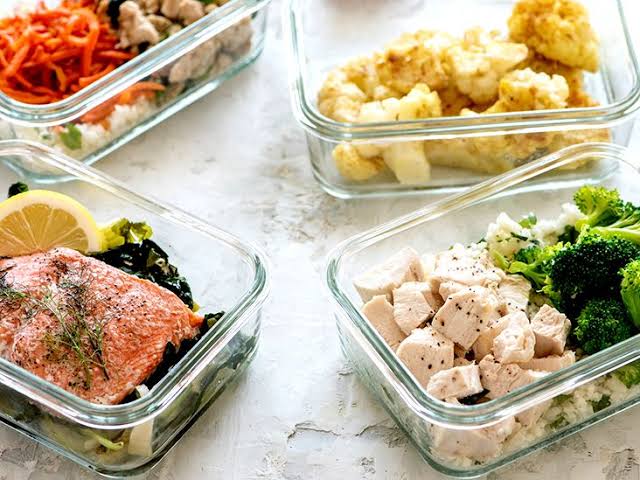
· Pair protein with non-starchy vegetables (chicken + broccoli + zucchini).
· Pair starch with vegetables and healthy fats (sweet potato + sautéed greens + avocado).
· If you really want both, keep the portions small and add a digestive enzyme.
- Dairy + Fruit (The “Smoothie Bowl” Trap)
Smoothie bowls, yogurt with berries, or cottage cheese with peaches. It sounds healthy, right?
Why it’s bad: Dairy is heavy, mucus-forming, and digests slowly. Fruit digests rapidly. The fruit ferments while the dairy coats your digestive tract. For people with even mild lactose intolerance, this combination guarantees gas, cramping, and diarrhea.
What to do instead:
· Have fruit alone.
· Have dairy alone or with cooked vegetables (cheese on a baked potato is fine).
· Try plant-based yogurts (coconut or almond-based) with fruit—they digest much more easily.
- Beans + Cheese (The Vegetarian Nightmare)
Ah, the beloved bean and cheese burrito. Or chili topped with cheddar.
Why it’s bad: Beans are complex carbohydrates that are already hard to digest (hello, lectins and oligosaccharides). Adding cheese—a concentrated fat and protein—slows down gastric emptying even more. The beans end up fermenting in your gut for 4–6 hours.
Real-life symptom: That painful, low-belly bloating that makes you look 5 months pregnant.
What to do instead:
· Pair beans with digestible vegetables (bell peppers, onions, spinach) and a squeeze of lemon.
· If you want cheese, eat it separately—like a small serving of cheese 2 hours before or after beans.
- Fat + Sugar (The Dessert Double Whammy)
Think: Ice cream, cookies, cake, or even a “healthy” peanut butter and honey sandwich.
Why it’s bad: Fats take a long time to digest. Sugar immediately spikes your blood sugar and feeds yeast and bad bacteria in your gut. When you combine them, the fat acts like a blanket, keeping the sugar in your stomach longer. This leads to fermentation, acid reflux, and a subsequent blood sugar crash that makes you crave more sugar.
What to do instead:
· Have sweets on their own, 30 minutes before a meal or 2 hours after.
· If you want a dessert, choose something that’s either fatty OR sugary, not both (e.g., dark chocolate with no added sugar, or a piece of ripe fruit).
- Watermelon + Any Other Food
This one surprises people. Watermelon is just so innocent.
Why it’s bad: Watermelon digests in about 5 minutes. It’s mostly water and simple sugars. If you eat it with anything else—especially bread, meat, or cheese—it rushes through your stomach but gets blocked, creating a soupy, fermented mess.
What to do instead: Eat watermelon alone, and treat it like a snack by itself. Same goes for cantaloupe, honeydew, and other high-water-content melons.
- Starchy Carbs + Sugary Carbs (The Breakfast Disaster)
Think: Pancakes with syrup, a cinnamon roll, or a bowl of oatmeal with honey and dried fruit.
Why it’s bad: Both are carbohydrates, so you’d think it’s fine. But starches (bread, oats, potatoes) and simple sugars (honey, fruit juice, syrup) compete for absorption. The sugar absorbs quickly, spiking insulin, while the starch lingers. Over time, this trains your body to become insulin resistant and wreaks havoc on your gut microbiome.
What to do instead:
· If you eat starches, pair them with protein or fat (eggs with toast, butter on oatmeal).
· If you want something sweet, have it alone as a small treat, not as part of a starch-heavy meal.
A Quick Cheat Sheet for Better Digestion
Here’s how to build a meal that won’t wreck your digestion:
If you eat… Pair it with… Avoid pairing with…
Protein (meat, eggs, fish) Non-starchy vegetables Starches (bread, rice, potatoes)
Starch (potatoes, rice, bread) Vegetables + healthy fats Protein or sugary fruit
Fruit Alone or with leafy greens Anything else
Dairy Vegetables or alone Fruit or beans
What To Do If You Already Ate A Bad Combination
Don’t panic. We’ve all been there.
- Go for a 10-minute walk – Gentle movement helps peristalsis (the wave-like motion that moves food through your gut).
- Sip warm lemon water or ginger tea – This helps neutralize gas and move things along.
- Try deep belly breathing – Stress shuts down digestion. Five deep breaths can actually help your stomach do its job.
- Next time, eat a smaller portion – Portion size matters more than perfection.
Final Thoughts: You Don’t Have to Be Perfect
Look, I’m not telling you to never eat a burger or skip your friend’s birthday cake. Life is too short for that.
What I am saying is this: if you feel bloated, tired, or heavy after most meals, try changing just one combination this week. Swap the rice for extra veggies with your chicken. Eat that apple alone instead of after dinner.
Your digestion didn’t get wrecked overnight, and it won’t heal overnight either. But small changes add up faster than you think.
Have you noticed a specific food combo that always leaves you feeling terrible? Drop it in the comments—I read every single one.