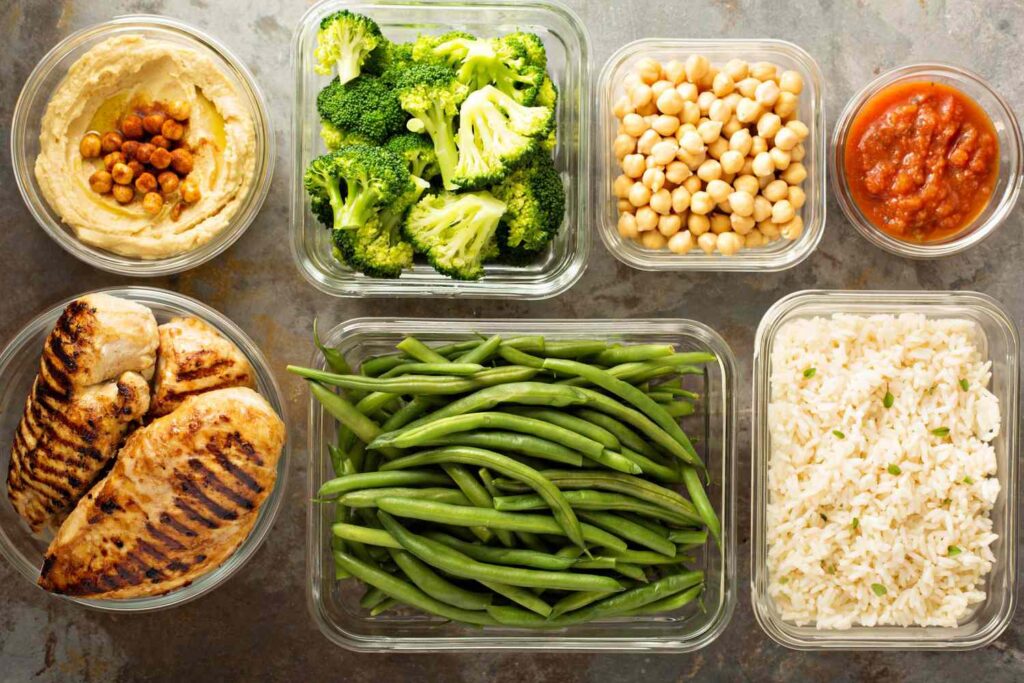
You’ve hit your goal weight. Your blood sugar is stable. But you miss fruit, legumes, or the occasional sourdough.
The problem? Most people who quit keto suddenly gain back 10–15 pounds within weeks—not because “keto fails,” but because they transition incorrectly.
Here is the science-backed method to move from ketosis to a flexible, balanced diet while keeping metabolic flexibility, stable energy, and body composition.
Why You Can’t Just “Stop Keto Overnight”
After weeks or months in ketosis, your body has downregulated certain enzymes needed to process carbohydrates. Your gut microbiome has also shifted away from carb-fermenting bacteria.
If you suddenly eat a bagel or a bowl of rice on Day 1:
· Blood sugar spikes (reactive hypoglycemia follows)
· Severe bloating and water retention (every carb stores 3–4g of water)
· Rapid weight gain (water + inflammation, not fat—but it feels real)
A proper transition takes 4 to 6 weeks—not 2 days.
Phase 1: The Reverse Dieting Approach (Weeks 1–2)
Do not add calories and carbs simultaneously. Instead, prioritize carb cycling while keeping protein high.
Weekly Template for Weeks 1–2
· Low-carb days (4x/week): 50–75g net carbs
· Moderate-carb days (3x/week): 100–125g net carbs
What to eat on low-carb days:
Leafy greens, zucchini, bell peppers, avocado, berries (1/2 cup), nuts, seeds.
What to add on moderate-carb days:
1/2 cup sweet potato, 1/3 cup lentils, 1 small apple, or 1/4 cup quinoa.
Key rule: Keep fat stable—do not add fat and carbs together. When carbs go up, healthy fats naturally come down (less butter, less MCT oil).
Phase 2: Rebuilding Carb Tolerance (Weeks 3–4)
By week 3, your insulin sensitivity should improve. Now focus on timing and food combinations.
Best Carbs to Introduce First (Low-FODMAP, low-fiber)
· White jasmine rice (easier to digest than brown rice initially)
· Ripe bananas
· Cooked carrots and beets
· Gluten-free oats
Worst Carbs to Start With (Do not add until week 5+)
· Wheat bread or pasta (gluten + high FODMAP = bloating)
· Beans and chickpeas (unless soaked/canned and rinsed)
· Sugary processed snacks (these trigger cravings)
Pro tip: Always pair carbs with protein + fat. Example: Rice + chicken + avocado. This blunts blood sugar spikes by 40–50%.
Sample Transition Day (Week 3)
· Breakfast: 2 eggs, 1/2 cup white rice, spinach cooked in 1 tsp coconut oil
· Lunch: 5 oz salmon, 1 cup roasted sweet potato, arugula salad with olive oil
· Dinner: Ground turkey stir-fry with bell peppers and 1/2 cup jasmine rice
· Snack: Full-fat Greek yogurt with 1/2 banana
Total carbs: ~135g | Protein: 120g | Fat: 70g
Phase 3: Building Your Balanced Plate (Weeks 5–6+)
A “balanced diet” isn’t 50% carbs. For most former keto dieters, the metabolic sweet spot is:
· 30–35% carbohydrates (150–200g for active women, 180–230g for active men)
· 30–35% protein (maintains satiety and muscle)
· 30–35% fat (mostly from whole food sources)
The Visual Plate Method (No Tracking Required)
· 1/2 plate: Non-starchy vegetables (broccoli, asparagus, cauliflower)
· 1/4 plate: Lean or fatty protein (eggs, fish, chicken, beef)
· 1/4 plate: Smart carbs (potatoes, rice, beans, fruit)
· Add 1–2 tbsp: Healthy fat (olive oil, avocado, nuts)
What to Expect Physically During the Transition
Timeframe Common Symptoms Solution
Days 1–5 Bloating, gas Start with low-FODMAP carbs (rice > beans)
Week 2 Fatigue after meals Walk 10 min post-meal to clear blood sugar
Week 3 Increased hunger Add 5–10g more protein per meal
Week 4+ More energy, better workouts Carbs are now fueling performance
Red flag: If you get heart palpitations, severe brain fog, or joint pain—you may have a gluten or lectin sensitivity. Stick to white rice and peeled potatoes.
How to Avoid the 3 Biggest Mistakes People Make
Mistake #1: “I’ll Just Eat Intuitively”
Keto suppresses ghrelin (hunger hormone). When you add carbs, ghrelin rebounds. Without tracking, most people overeat by 400–600 calories daily.
Fix: Track macros for the first 3 weeks of transition. Use an app like Cronometer or MyFitnessPal.
Mistake #2: Adding Back Ultra-Processed “Healthy” Carbs
Gluten-free cookies, oat milk lattes, and granola are still sugar bombs.
Fix: Get carbs from single-ingredient foods first: potatoes, rice, fruit, oats.
Mistake #3: Cutting Fat Too Quickly
Dropping fat from 70% to 20% overnight leaves you starving.
Fix: Reduce fat by only 5–10% per week. Week 1: 65% fat → Week 2: 55% fat → Week 3: 45% fat.
Long-Term: Maintaining Metabolic Flexibility
The goal isn’t to “quit keto.” It’s to move between fuel sources seamlessly.
Signs You Have Achieved Metabolic Flexibility
· You can skip a meal without shaking or mood swings
· A high-carb meal doesn’t put you to sleep
· You don’t crave sugar 2 hours after eating rice or fruit
· You wake up without being “starving”
Weekly Maintenance Routine (Post-Transition)
· 5–6 days: Balanced plate (150–200g carbs)
· 1–2 days: Lower-carb reset (under 75g carbs) – optional but helpful
This hybrid approach prevents gradual carb creep and keeps insulin sensitivity high.
Sample 4-Week Transition Schedule
Week Daily Carbs Focus Fat Intake
1 50–75g (4 days), 100g (3 days) Add berries, sweet potato 65% → 55%
2 75–100g Add white rice, banana 55% → 45%
3 100–135g Add oats, beets, carrots 40%
4 135–175g Add legumes, gluten-free grains 35%
Frequently Asked Questions
Will I gain weight transitioning from keto?
You will gain 2–5 lbs of water weight initially. That is glycogen (stored carbs) bonding with water. Not fat. This reverses if you stay active.
Can I still eat “keto foods” like bacon and heavy cream?
Yes, but reduce frequency. Those are high in saturated fat and low in micronutrients. Swap bacon for eggs or salmon; swap heavy cream for plain Greek yogurt.
What if I have a carb sensitivity or reactive hypoglycemia?
Slow down. Spend 3 weeks at 75g carbs before increasing. Also take berberine or apple cider vinegar before higher-carb meals to blunt spikes.
Can I go back to keto later?
Absolutely. Once metabolically flexible, you can shift into ketosis within 24–48 hours (instead of 5–7 days). That is the real win.
Final Takeaway
Transitioning from keto to balanced eating is not about “giving up.” It’s about upgrading your metabolic range.
Go slow. Add one new carb source per week. Keep protein high. And give your gut microbiome 4 full weeks to adapt.
Do that, and you will enjoy fruit, rice, and beans again—without the dreaded post-keto rebound.