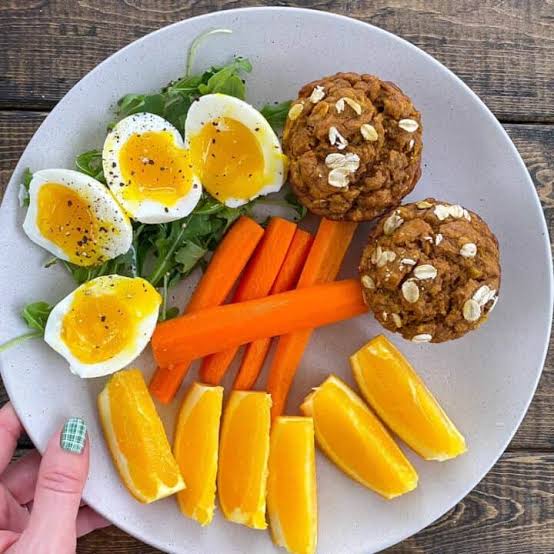
Clean eating is a dietary approach that emphasizes consuming whole, minimally processed foods while reducing or eliminating processed and refined foods. This method focuses on eating fresh fruits, vegetables, lean proteins, whole grains, and healthy fats to promote better health, weight management, and disease prevention.
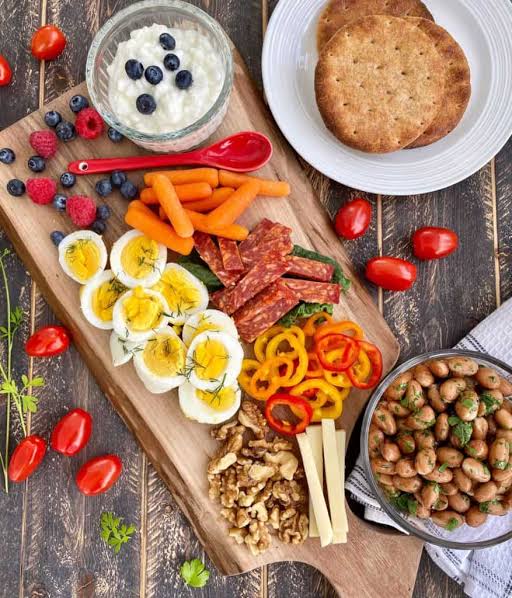
What Is Clean Eating?
Clean eating means choosing foods that are as close to their natural state as possible. It involves avoiding artificial ingredients, preservatives, refined sugars, and unhealthy fats. Instead, clean eaters prioritize fresh produce, lean meats, nuts, seeds, legumes, and whole grains. This way of eating helps manage weight and reduces the risk of chronic illnesses like heart disease, diabetes, and cancer.
How to Start Eating Clean
- Shop the Produce Section
Spend most of your grocery shopping time in the produce department. Fresh and frozen fruits and vegetables provide essential fiber, vitamins, minerals, and antioxidants. Frozen options are convenient and nutritious year-round. - Read Ingredient Lists
Avoid foods with long lists of unpronounceable or chemical-sounding ingredients. Choose products with simple and recognizable components, ideally just one or two ingredients. - Avoid Processed and Refined Foods
Focus on whole foods found around the perimeter of the grocery store—fruits, vegetables, lean proteins, dairy, and seafood. Minimize or eliminate highly processed foods containing added sugars, salts, trans fats, and preservatives. - Limit Added Sugars
Cut down on sweets, sodas, and sugary snacks. To satisfy sweet cravings, opt for natural sugars from fruits, a square of dark chocolate (at least 70% cocoa), or homemade trail mix. - Incorporate Lean Proteins and Healthy Fats
Lean protein sources include fish, chicken, turkey, eggs, plain Greek yogurt, and legumes. Healthy fats come from avocados, olives, olive oil, nuts, and seeds.
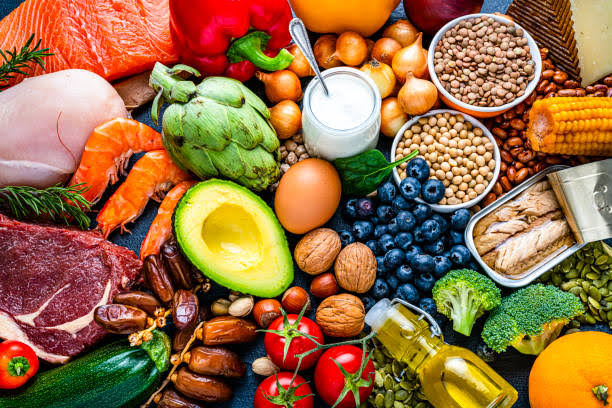
Clean Eating Food List
- Vegetables (both starchy and non-starchy, but favor non-starchy for weight control)
- Fresh fruits (preferably fresh over canned or syrup-packed)
- Lean proteins (fish, poultry, eggs, legumes, low-fat dairy)
- Whole grains (whole wheat, barley, quinoa, oats)
- Healthy fats (avocados, nuts, seeds, olive oil)
Sample 1-Day Clean Eating Meal Plan for Beginners
- Breakfast: Plain Greek yogurt with mixed berries and sliced almonds
- Snack: Apple slices with natural peanut butter
- Lunch: Mixed greens salad with grilled chicken, avocado, cherry tomatoes, and balsamic vinaigrette
- Snack: Carrot and cucumber slices with hummus
- Dinner: Grilled salmon with roasted broccoli and sweet potatoes
Tips for Long-Term Success
- Make gradual, manageable changes rather than overnight overhauls to develop lasting habits.
- Focus on balanced meals that include a variety of food groups.
- Avoid guilt or stress around eating; the goal is to nourish your body and feel good.
- When dining out, choose simple meals with minimal sauces and salt, like grilled fish or salads with protein.
Benefits of Clean Eating
Adopting clean eating can improve heart health, enhance energy levels, support weight management, and reduce the risk of chronic diseases such as type 2 diabetes and certain cancers. It encourages mindful eating habits and fosters a deeper connection with food quality and nutrition.
This comprehensive guide offers beginners a solid foundation to start eating clean while making sustainable choices that promote long-term health and wellness. With commitment and gradual progress, clean eating can become a natural and enjoyable lifestyle change.